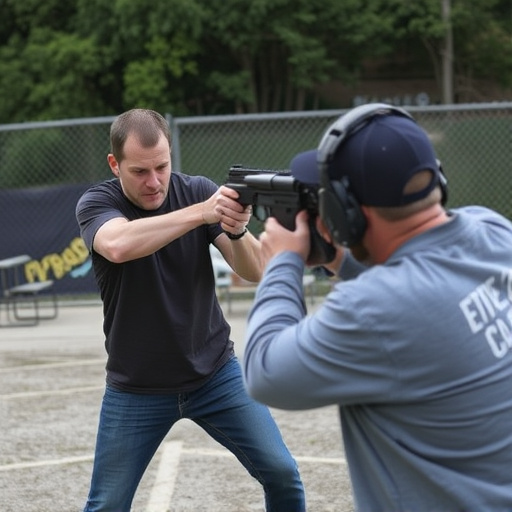
Understanding how long pepper spray effects last (typically 10-15 minutes) is crucial for personal safety. Factors like wind and environment impact its duration, while local laws govern usage and storage. Aim for eyes and face when deploying, wash afterward, and store securely to ensure effectiveness.
Personal security is a growing concern, making self-defense sprays an attractive option. This article delves into the world of pepper spray canisters, offering insights on their active ingredients and how they work. We explore the impact of wind and environmental conditions on spray range and duration, while also dissecting legal implications and usage limits. Additionally, we provide essential tips for effective deployment and safety precautions, including information on how long pepper spray effects last, to ensure users make informed decisions.
- Understanding Pepper Spray's Active Ingredients and Their Effects
- The Role of Wind and Environmental Conditions in Spray Range and Duration
- Legal Implications and Usage Limits for Self-Defense Sprays
- Tips for Effective Deployment and Safety Precautions After Using Pepper Spray
Understanding Pepper Spray's Active Ingredients and Their Effects
Pepper spray, a common personal security tool, works by targeting the eyes and respiratory system with capsaicin, the active ingredient. This chemical irritates the nerves, causing temporary disorientation, reduced visibility, and difficulty breathing. The effects of pepper spray can last for varying periods, typically ranging from 20 minutes to an hour, depending on factors like concentration, weather conditions, and individual sensitivity.
Understanding how long pepper spray effects last is crucial for users to be prepared and aware. While it provides a vital window of opportunity to escape or seek help, it’s important to remember that the intensity diminishes over time. This knowledge can empower individuals to make informed decisions during potentially dangerous situations.
The Role of Wind and Environmental Conditions in Spray Range and Duration
The effectiveness of a personal security inflammatory spray, such as pepper spray, is greatly influenced by wind and environmental conditions. These factors play a significant role in determining the range and duration of its impact. When using pepper spray, an individual’s aim should consider not just the target but also the potential wind patterns. A headwind can significantly extend the reach of the spray, allowing for a greater area of coverage. Conversely, a tailwind might carry the spray back towards the user, reducing its effectiveness as it disperses more quickly.
Environmental conditions like temperature and humidity also come into play. Warmer temperatures can cause pepper spray to evaporate faster, while colder conditions may thicken it, potentially affecting the spray’s consistency and range. Humidity levels can impact the spray’s dispersion; higher humidity might result in a more concentrated but shorter-range effect, whereas lower humidity could lead to a more dispersed but longer-lasting impact on the target. Understanding these variables is crucial for maximizing the utility of a personal security inflammatory spray and ensuring its effects last long enough to deter potential threats.
Legal Implications and Usage Limits for Self-Defense Sprays
The legal implications of carrying a personal security inflammatory spray canister vary significantly across jurisdictions, so it’s crucial to understand the local laws before purchasing one. In many countries and states, self-defense sprays are legal if used for protection against threats or attacks. However, regulations dictate factors such as the maximum strength allowed (often limited to around 2% capsaicin) and permissible carrying locations (e.g., not in pockets where it could be easily accessed). Unlawful use or carrying can result in fines or even criminal charges, so staying informed about local laws is paramount.
The effects of pepper spray, also known as oleoresin capsicum (OC) spray, typically last between 3 to 15 minutes, depending on factors like the concentration and the individual’s sensitivity. While it temporarily disables an attacker by causing pain, tearing, and difficulty breathing, it’s important to note that this is not a permanent solution or substitute for self-defense training. Responsible usage involves aiming for the eyes and face, ensuring you are trained to use the spray effectively and only as a last resort.
Tips for Effective Deployment and Safety Precautions After Using Pepper Spray
When deploying a personal security inflammatory spray canister, timing and technique are crucial. For optimal effectiveness, aim for the face and eyes, as pepper spray inhibits vision and breathing. It’s important to note that how long pepper spray effects last can vary based on concentration and individual sensitivity, but typically symptoms subside after 10-15 minutes.
After use, safety precautions are paramount. Immediately wash your face and hands with soap and water to remove any residual spray. Seek medical attention if necessary, especially for eye irritation or difficulty breathing. Store your canister in a secure, cool place away from direct sunlight or extreme temperatures to maintain its potency. Remember that responsible usage and proper storage are key to ensuring its reliability when you need it most.
Personal security inflammatory spray canisters, a popular self-defense tool, offer valuable protection when used wisely. Understanding the active ingredients, their effects on the human body, and environmental factors that influence range and duration is crucial for effective deployment. Knowing the legal implications and usage limits ensures responsible use while maximizing its impact against potential threats. Always remember to follow safety precautions after use and store your spray canister properly. With the right knowledge, pepper spray can be a game-changer in personal security, providing peace of mind and enhancing safety in today’s world.