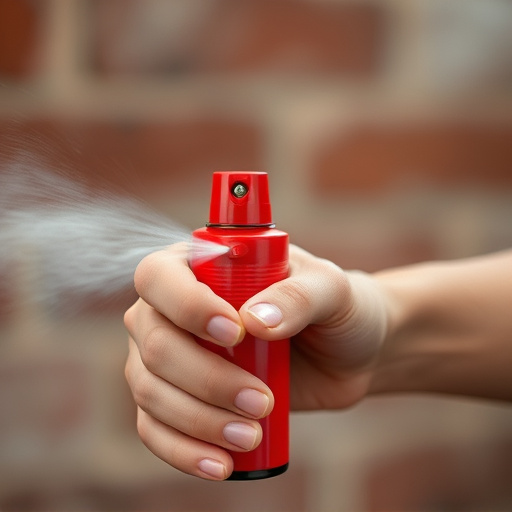
Capsaicin, a powerful ingredient in pepper spray, irritates nerve endings and depletes endorphins, leading to temporary pain, fatigue, and reduced aggression. Effects last 30 minutes to several hours, depending on concentration, exposure time, and individual sensitivity. Understanding capsaicin's dynamics is crucial for effective crowd control and public safety. While effective, pepper spray poses safety risks, including respiratory issues and eye damage, requiring precautions to minimize exposure and mitigate adverse outcomes.
“Discover the power of capsaicin-based inflammatory crowd control sprays, a unique non-lethal solution for public safety. This innovative tool has gained attention for its ability to disrupt and disperse crowds quickly. In this article, we delve into the science behind capsicum’s active ingredient, exploring its impact on the human body and understanding the factors that influence its duration. We also examine safety measures and potential long-term effects, providing a comprehensive guide to these powerful yet controversial tools, with a focus on their lasting effects, or how long pepper spray effects last.”
- Capsaicin: The Active Ingredient Explained
- Understanding Inflammatory Response to Capsaicin
- Factors Affecting Pepper Spray Duration
- Safety Measures and Long-Term Effects
Capsaicin: The Active Ingredient Explained
Capsaicin, the active ingredient in inflammatory crowd control sprays, is a natural compound derived from chili peppers. It’s what gives spicy foods their heat and sting. In low concentrations, capsaicin is safe for human use but, when applied topically or inhaled, it triggers a physiological response that can quickly disrupt and disperse crowds.
The effect of capsaicin on the body is twofold: it irritates nerve endings, causing temporary pain and discomfort, and it depletes the body’s natural store of endorphins, leading to a sensation of fatigue and reduced aggression. The duration of these effects varies depending on concentration and application method but can last from 30 minutes to several hours, making capsaicin-based crowd control sprays a potent yet non-lethal alternative for law enforcement and security personnel.
Understanding Inflammatory Response to Capsaicin
Capsaicin, the active ingredient in pepper spray, triggers a unique inflammatory response in the human body. When exposed to capsaicin, specialized sensory neurons in the skin detect its heat and irritant properties, leading to the release of certain neurotransmitters. This initiates a cascade of events, causing blood vessels to dilate and leak fluid, resulting in redness, swelling, and pain. The intensity of these symptoms is often proportional to the concentration of capsaicin and the duration of exposure.
The effects of pepper spray can last for a varying period, typically ranging from 2 to 15 minutes, depending on multiple factors. How long the sensation of burning and irritation persists is influenced by individual sensitivity, the amount of capsaicin inhaled or absorbed through the skin, and any mitigating factors like moisture or immediate washing. Understanding these dynamics is crucial when considering the strategic deployment of capsaicin-based crowd control sprays for public safety purposes.
Factors Affecting Pepper Spray Duration
The duration for which capsaicin-based inflammatory crowd control spray remains effective can be influenced by several factors. One of the primary considerations is the concentration of capsaicin in the solution. Higher concentrations typically result in longer-lasting effects, as the potent irritant takes longer for the body’s natural mechanisms to neutralize its effects. Environmental conditions play a significant role as well; humidity and temperature can impact how quickly the spray evaporates, thereby affecting its persistence on the target area and individuals’ exposure duration.
Additionally, the application method and distance are crucial. Direct contact with the eyes or mucous membranes prolongs the sensory irritation due to the concentration of capsaicin concentrated in these areas. The closer the applicator is to the targeted individual, the more concentrated the spray’s effects will be. Conversely, spraying from a distance dilutes the capsaicin solution over a larger area, leading to quicker evaporation and reduced duration of impact.
Safety Measures and Long-Term Effects
Capsaicin-based inflammatory crowd control spray, while highly effective in disperting crowds and controlling riots, raises concerns about safety and long-term effects. Pepper spray, or capsaicin, is a natural compound found in chili peppers that irritates the eyes, nose, and respiratory system when inhaled. The initial effects can last from 15 minutes to an hour, depending on the concentration and application method. However, prolonged exposure or repeated use may lead to more severe and lasting health issues.
Long-term effects of pepper spray exposure include skin irritation, breathing difficulties, and potential damage to eye structures. In some cases, users have reported chronic respiratory problems, such as asthma attacks or persistent coughing, even after the initial symptoms subside. Additionally, direct eye contact can cause corneal damage, leading to vision impairment if not treated promptly. It’s crucial for law enforcement agencies and individuals using crowd control measures to understand these potential risks and take appropriate safety precautions to minimize exposure and mitigate adverse effects.
Pepper spray, a capsaicin-based crowd control tool, offers a temporary but effective solution for law enforcement and self-defense. Understanding how capsaicin provokes an inflammatory response helps explain its duration of effect, which can vary based on application and environmental factors. While it provides a safe and non-lethal option, proper safety measures must be taken to mitigate potential long-term effects. Knowing the duration of these effects is crucial for effective crowd management and personal safety.